Understanding Additive Manufacturing

Additive manufacturing (AM) is the process of creating three-dimensional objects by adding material layer by layer, based on a digital 3D model. Unlike traditional subtractive manufacturing (like machining, where material is removed), additive manufacturing builds parts by adding material only where needed.

The term "3D printing" is often used interchangeably with additive manufacturing, though 3D printing technically refers to the consumer and hobbyist applications, while additive manufacturing is the industrial term.
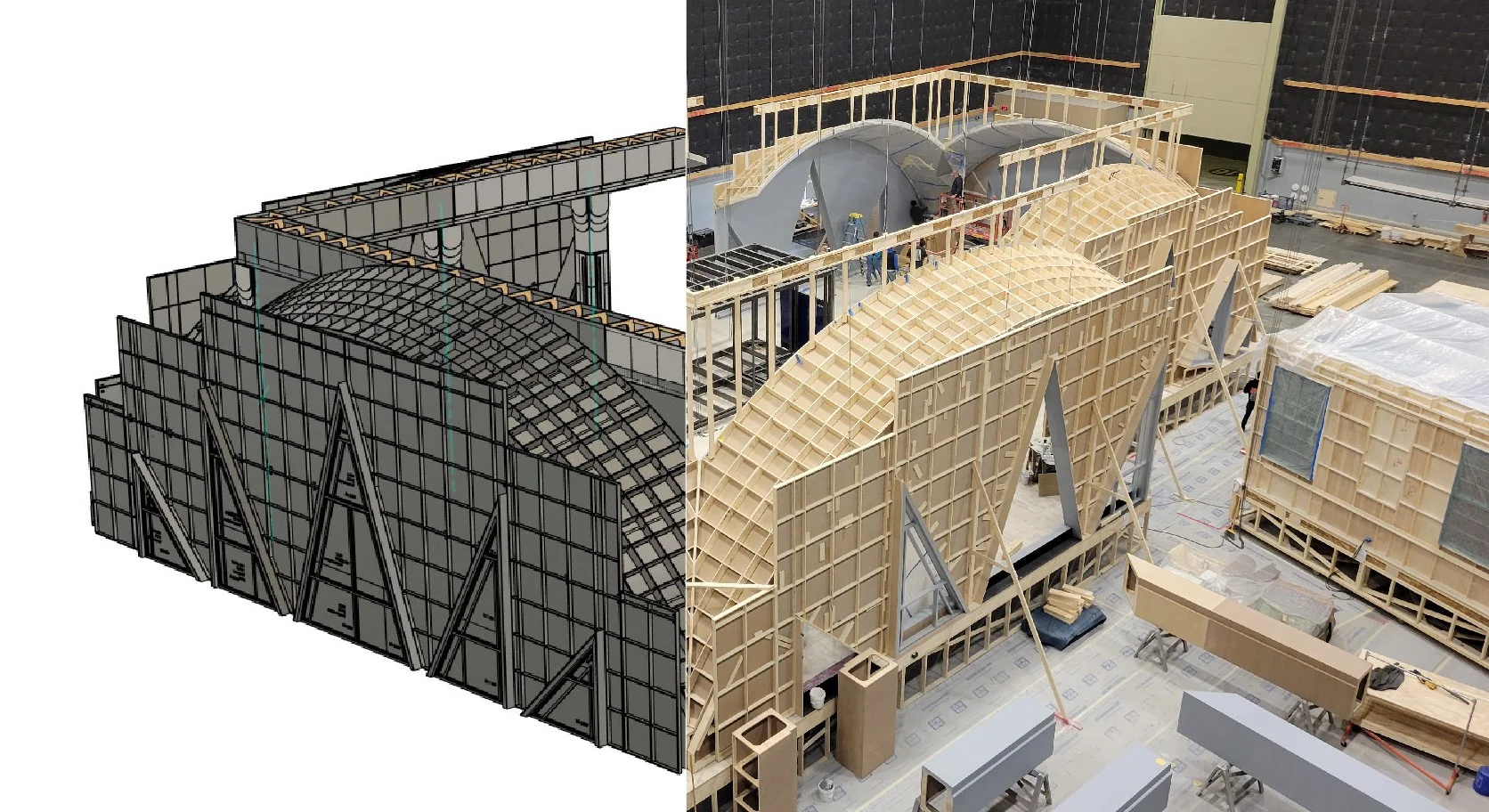
Additive Manufacturing Process

How Additive Manufacturing Works

The Process

Additive manufacturing follows these general steps:

  1. 3D Model Creation: Start with a digital 3D model (CAD file) of the part you want to create
  2. File Preparation: The CAD file is processed (sliced) into thin horizontal layers
  3. Printing: The 3D printer builds the part layer by layer, following the sliced model
  4. Post-Processing: Support material is removed, and the part may be sanded, cured, or finished as needed

Types of Additive Manufacturing

There are several types of additive manufacturing processes:

SLA (Stereolithography)

Uses UV light to cure liquid resin layer by layer. Produces high-resolution, smooth surface finishes. This is what we use at IDFS with our Formlabs 3L printer.

FDM/FFF (Fused Deposition Modeling)

Extrudes melted plastic filament layer by layer. Common in desktop 3D printers.

SLS (Selective Laser Sintering)

Uses a laser to sinter powdered material. Good for functional parts.

Metal 3D Printing

Various processes for printing metal parts, including DMLS and binder jetting.

Advantages of Additive Manufacturing

  1. Design Freedom

    Additive manufacturing allows for complex geometries that would be difficult or impossible to create with traditional manufacturing methods. Internal channels, organic shapes, and intricate details are all possible.

  2. Rapid Prototyping

    3D printing enables quick iteration and testing of designs. You can go from CAD model to physical part in hours or days, rather than weeks.

  3. Low Volume Production

    For short Production runs, 3D printing can be more cost-effective than traditional manufacturing because there's no need for expensive tooling or molds.

  4. Material Efficiency

    Additive manufacturing only uses material where it's needed, reducing waste compared to subtractive processes that remove material.

  5. Customization

    Each part can be customized without additional tooling costs, making it ideal for personalized products, medical devices, and one-off designs.

  6. Reduced Assembly

    Complex assemblies can often be printed as single parts, reducing the need for fasteners and assembly steps.

Applications of Additive Manufacturing

  1. Prototyping

    Rapid prototyping is one of the most common uses of 3D printing. Designers and engineers can quickly create physical models to test form, fit, and function before committing to expensive production tooling.

  2. Functional Parts

    With high-quality materials and processes like SLA, 3D printed parts can be used as functional components in end products, not just prototypes.

  3. Tooling and Jigs

    Custom tooling, fixtures, and jigs can be 3D printed quickly and cost-effectively for manufacturing operations.

  4. Medical and Dental

    3D printing is widely used for medical models, surgical guides, dental trays, and custom prosthetics.

  5. Entertainment and Props

    The film and entertainment industry uses 3D printing extensively for prop fabrication, allowing for detailed, custom pieces that would be expensive to create by hand.

  6. Low-Volume Production

    For production runs of 1-1000+ pieces, 3D printing can be more economical than injection molding or other traditional processes.

Industrial SLA 3D Printing at IDFS

At IDFS, we use Formlabs 3L printers for industrial-grade SLA (stereolithography) 3D printing. This process offers:

  • High Resolution: Fine details and smooth surface finishes
  • Large Format: Parts up to 13.5" x 7.6" x 9.8" build volume
  • Engineering Materials: Production-quality resins with various mechanical properties
  • Production Quality: Parts suitable for functional use, not just prototyping

Applications we serve: Product development, props, scenic fabrication, functional testing, tooling, medical/veterinarian/dental models, engineering prototypes, subassemblies, and production assemblies.

Formlabs 3L 3D Printing

When to Choose Additive Manufacturing

Good Fit For:

  • Prototypes and design validation
  • Complex geometries difficult to machine
  • Low to medium volume production (1-1000+ pieces)
  • Custom or personalized parts
  • Parts with internal features or channels
  • Quick turnaround requirements
  • Reducing assembly complexity

Consider Alternatives When:

  • Very high volume production (thousands of identical parts)
  • Parts require specific material properties only available through traditional processes
  • Cost per part needs to be extremely low for high volumes
  • Parts are simple geometries that are faster/cheaper to machine

Pro Tip: The best approach is often a hybrid: use 3D printing for prototypes and low volumes, then transition to traditional manufacturing for high-volume production.

Ready to Explore 3D Printing for Your Project?

Send us your CAD files or drawings, and we'll help determine if additive manufacturing is the right choice for your project. We offer design support, material recommendations, and production-quality 3D printing services.

Request a 3D Printing Quote Learn About Our 3D Printing Services