Choosing the right finish can make a major difference in how a metal part looks, performs, and holds up over time. Whether you’re fabricating a custom component, producing a small run of parts, or building equipment for an industrial application, the finish is more than just a final cosmetic detail.
Two of the most common options are powder coating and traditional paint. While both can provide color and added protection, they work differently and offer distinct advantages depending on the material, application, environment, and project requirements.
For businesses and manufacturers in Fayetteville, GA, understanding the differences can help you choose the best finish for metal before your project moves into production.
What Is Powder Coating?
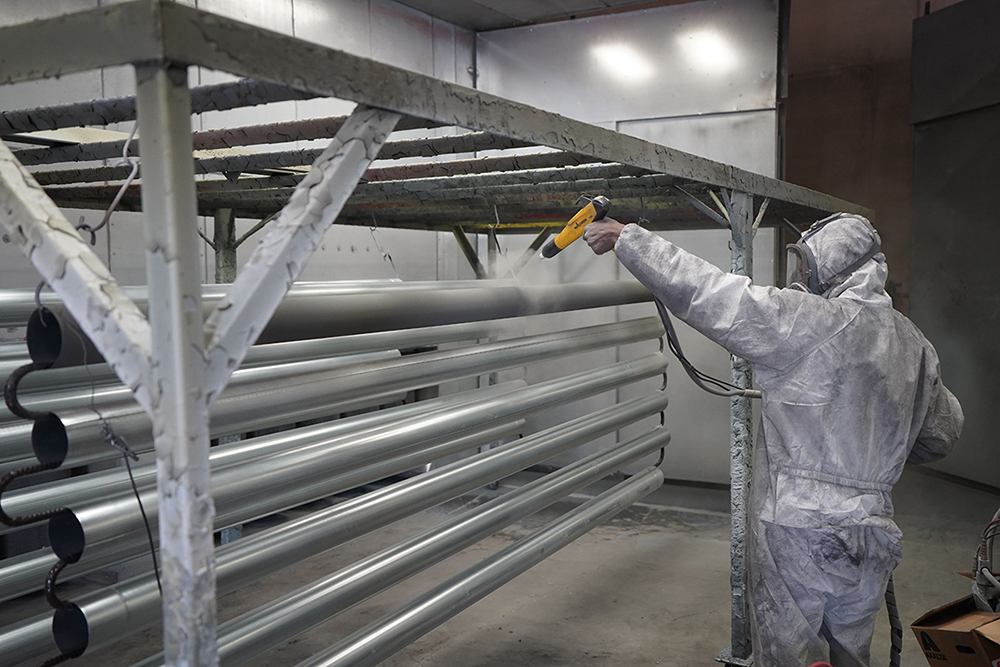
Powder coating is a finishing process that applies a dry powder to a prepared metal surface. The coated part is then heated so the powder melts and cures into a durable, uniform finish.
Unlike liquid paint, powder coating does not rely on a wet coating that dries through evaporation. The curing process creates a bonded surface that is designed to withstand regular handling and use.
Powder coating metal is commonly considered when durability, appearance, and consistent coverage are important. It can be used on a variety of fabricated metal components and is available in numerous colors, textures, and finish options.
What Is Traditional Paint?
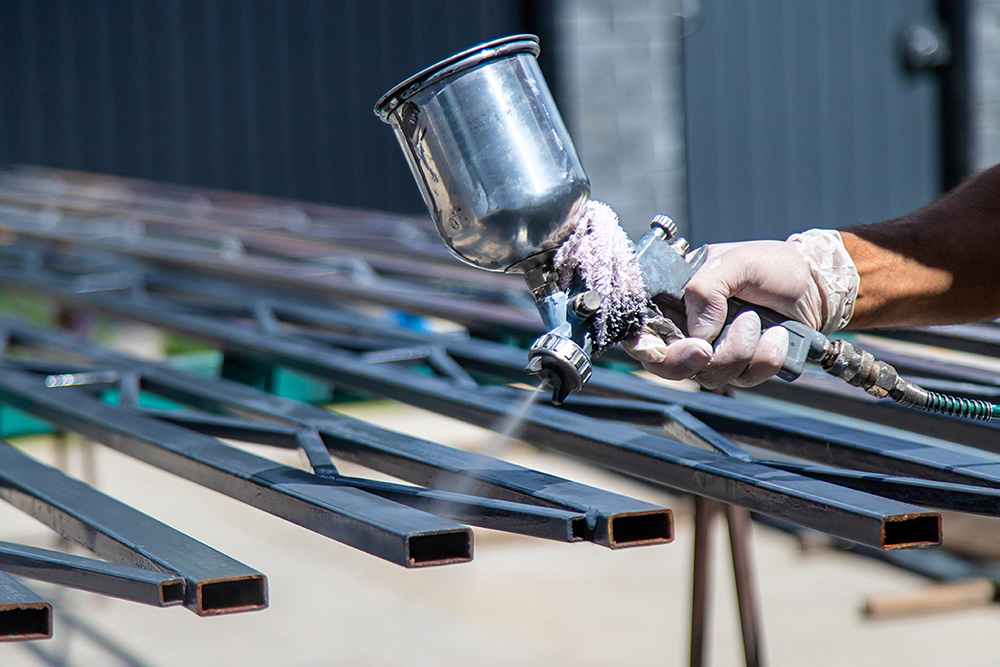
Traditional paint uses a liquid coating that is applied to the metal surface by methods such as spraying, brushing, or rolling. Depending on the application, paint systems may include primers and multiple coats to achieve the desired level of protection and appearance.
Paint remains a practical choice for many fabrication projects because it is versatile and can be applied to parts of different sizes and shapes. It can also be easier to touch up or modify after installation.
For certain projects, particularly those involving field repairs, large structures, or specialized color requirements, paint may be the more practical finishing method.
Powder Coating vs. Paint: Key Differences
So, which option is better? The answer depends on what you need the finished metal component to do. Comparing the two finishes across several important factors can make the decision easier.
- Durability: Powder coating generally provides a tough surface that resists everyday wear, scratches, and chipping, making it a strong option for frequently handled or exposed metal components.
- Appearance: Powder coating can create a consistent, clean finish with a wide selection of colors and textures. Paint also offers extensive color options and can be customized for specific visual requirements.
- Application: Powder coating requires specialized equipment and a curing process, while liquid paint can be applied using several different methods depending on the project.
- Touch-Ups: Painted surfaces can generally be touched up more easily in the field. Powder-coated parts may require more involved repair if the coating becomes significantly damaged.
- Production Considerations: Powder coating can be especially useful for repeatable production work where consistent coverage and appearance are priorities.
- Project Requirements: The size, shape, material, intended use, and installation environment of the part can all influence which finishing process makes the most sense.
Advantages of Powder Coating Metal
For fabricated components that need a durable and attractive finish, powder coating can offer several benefits. The process is particularly useful when a project calls for consistent results across multiple parts.
- Durable surface: Powder coating creates a hard finish that can stand up to regular use and handling.
- Consistent appearance: The application process can produce an even finish across properly prepared metal surfaces.
- Wide range of finishes: Powder coatings are available in different colors, textures, and appearances to suit a variety of applications.
- Professional appearance: A properly finished component can have a clean, finished look that complements the overall design.
- Good fit for production work: Powder coating can be a practical choice when multiple fabricated parts need a consistent finish.
When Does Paint Make More Sense?
Although powder coating has become a popular choice for many metal applications, it is not automatically the right answer for every project.
Paint may be preferable when a component is too large for available powder coating equipment, when the finished piece needs to be coated after installation, or when future touch-ups are expected.
Paint can also provide greater flexibility for projects that require very specific colors, multi-stage coatings, or specialized field application. The right choice should be based on the actual requirements of the finished component rather than simply choosing the most common option.
What Is the Best Finish for Metal?
There is no single best finish for metal for every application. The ideal finish depends on the part itself and how it will be used.
Before selecting a coating, consider factors such as exposure to moisture, temperature, chemicals, abrasion, outdoor conditions, handling, and overall appearance. The geometry and size of the component can also affect which finishing process is practical.
For example, a metal component used in a demanding industrial environment may have different finishing requirements than a decorative fabricated piece or a prototype. Considering these details early can help prevent unnecessary rework later.
Why Finishing Should Be Considered During Fabrication
The finish should not be treated as an afterthought. It is helpful to consider the intended coating while the part is still being designed and fabricated.
At IDFS, projects can move through design, fabrication, machining, cutting, welding, assembly, and finishing support as part of a broader manufacturing process. This type of coordination can help ensure that the finished component aligns with the original design and functional requirements.
For manufacturers in Fayetteville and throughout the Atlanta area, discussing finishing requirements early can also help with material selection, part design, production planning, and overall project expectations.
Powder Coating and Metal Fabrication in Fayetteville, GA
If you’re comparing powder coating and paint for an upcoming fabrication project, start by looking at the environment where the finished part will be used and the performance you expect from the coating.
IDFS provides custom metal fabrication, CNC machining, cutting, welding, prototyping, and production support from its facility in Fayetteville, GA. The team works with materials including aluminum, mild steel, stainless steel, plastics, and composites across industrial, automotive, aerospace, commercial, and entertainment applications.
Whether you’re developing a prototype or preparing components for a production run, choosing the right finishing approach is an important part of creating a finished product that looks right and performs as intended.
Ready to Discuss Your Metal Fabrication Project?
Not sure whether powder coating, paint, or another finishing approach is right for your project? Talk with the IDFS team before production begins. We can review your project requirements and help you determine the right path for your fabricated components.
Contact IDFS in Fayetteville, GA to discuss your next fabrication, machining, prototyping, or production project and request a quote.