
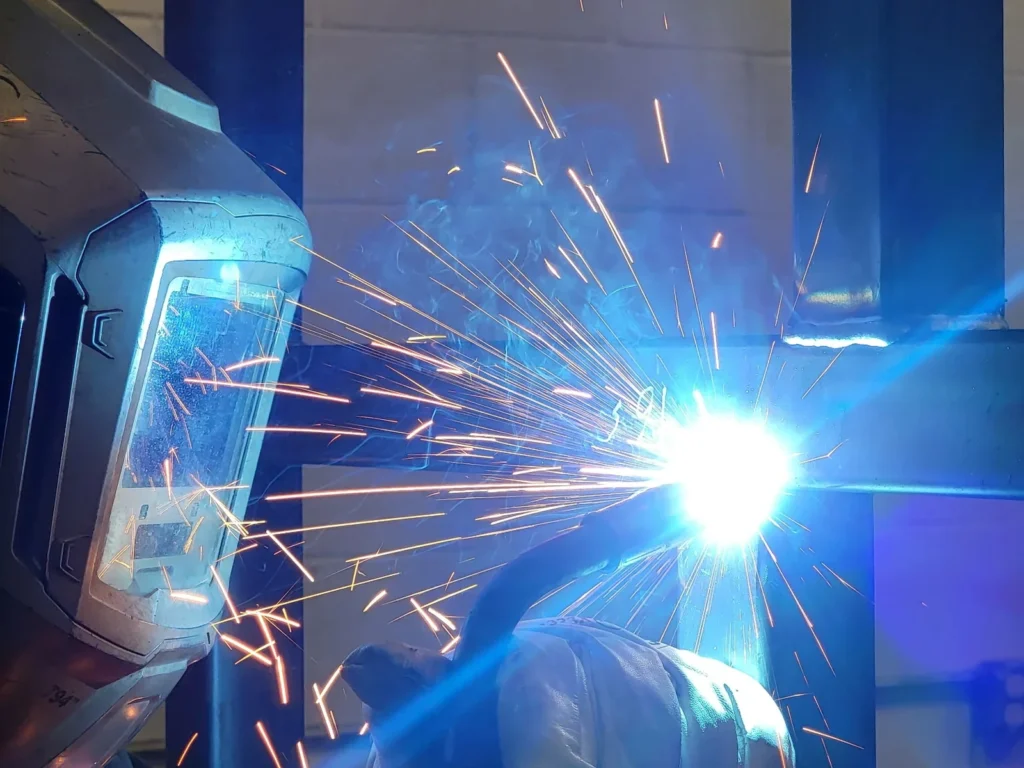
“When it comes to custom metal fabrication, choosing the right welding process can make a significant difference in the strength, appearance, cost, and overall quality of a finished product.
Two of the most widely used welding methods are MIG and TIG welding. While both are effective for joining metals, each offers distinct advantages depending on the materials, design, and requirements of your project.
Understanding the differences can help you make a more informed decision before beginning fabrication.”
Whether you’re manufacturing custom metal parts, repairing industrial equipment, or developing a specialized component, welding plays an important role in how the finished product performs.
For businesses throughout Georgia, understanding MIG vs. TIG welding can help simplify the planning process and ensure the selected method aligns with your project’s specifications.
At IDFS LLC, we recognize that different fabrication projects call for different techniques. Knowing when to use MIG or TIG welding is an important part of creating dependable, functional metal components.
What Is MIG Welding?
MIG welding, short for Metal Inert Gas welding, is commonly known as Gas Metal Arc Welding (GMAW). This process uses a continuously fed wire electrode and an electric arc to join metal pieces together.
A shielding gas protects the weld area from atmospheric contamination, helping create a consistent connection between the materials.
MIG welding is widely used in metal fabrication services because of its production efficiency, versatility, and suitability for many common manufacturing applications.
Some advantages of MIG welding include:
- Faster welding speeds: Continuous wire feeding makes MIG welding efficient for many production environments.
- Versatile applications: MIG welding can be used on steel, stainless steel, and aluminum with appropriate equipment and settings.
- Production efficiency: The process works well for projects involving multiple welds or repeated components.
- Adaptability: MIG welding can accommodate a variety of material thicknesses and joint configurations.
- Reduced downtime: Continuous wire feeding minimizes interruptions associated with replacing filler electrodes.
For projects involving equipment frames, structural assemblies, brackets, and other fabricated components, MIG welding is often a practical option.
What Is TIG Welding?
TIG welding, or Tungsten Inert Gas welding, is also known as Gas Tungsten Arc Welding (GTAW). Unlike MIG welding, TIG uses a nonconsumable tungsten electrode to create the welding arc.
When additional filler metal is needed, it is typically introduced separately, giving the welder precise control over the weld pool and material deposition.
TIG welding is frequently selected for applications where appearance, heat control, and detailed workmanship are especially important.
Key advantages of TIG welding include:
- Precise weld control: TIG welding allows careful adjustment of heat and filler material during the process.
- Clean weld appearance: Proper technique can produce smooth, visually consistent weld beads.
- Thin material applications: TIG welding is well suited to many projects involving thinner metals or delicate components.
- Material versatility: TIG welding can be used on stainless steel, aluminum, and other metals with the proper setup.
- Detailed fabrication: The process is useful when weld placement and finishing requirements demand additional control.
Although TIG welding generally requires more time and operator skill than MIG welding, its precision makes it valuable for specialized metal fabrication projects.
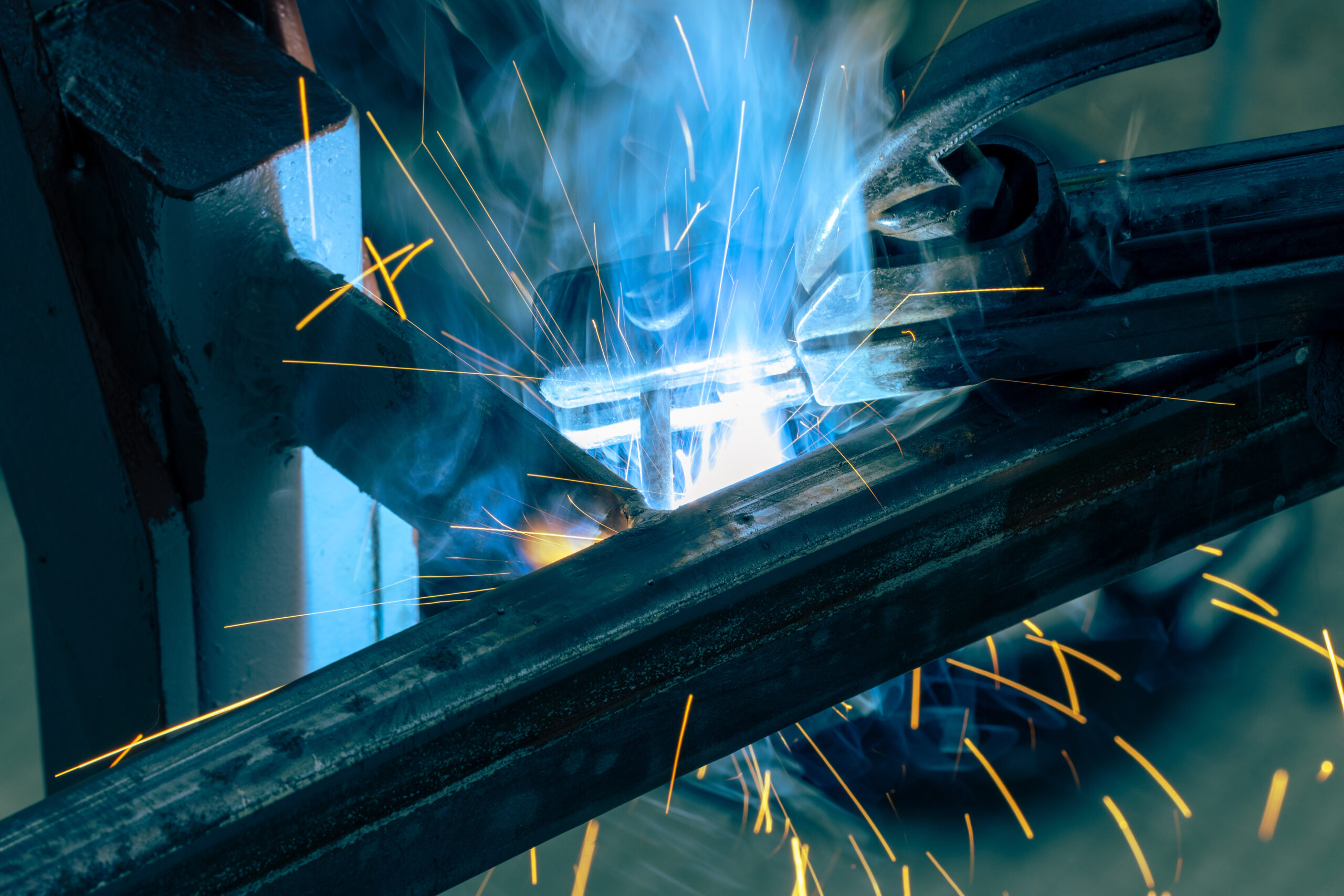
MIG vs. TIG Welding: Understanding the Main Differences
Both welding processes create strong metal joints when performed correctly, but they differ in how they operate and the types of projects they are best suited for.
Understanding these differences can help businesses determine which method makes the most sense for their fabrication requirements.
- Welding speed: MIG welding is generally faster, making it a strong choice for repetitive production and larger assemblies. TIG welding typically takes longer because of its controlled, detailed approach.
- Precision: TIG welding offers greater manual control over the weld pool, while MIG welding emphasizes efficient material deposition.
- Appearance: TIG welding is often preferred when visible welds need a refined appearance. MIG welding can also produce clean results, although additional finishing may be needed for certain applications.
- Material thickness: MIG welding is commonly used for medium and thicker materials, while TIG welding is especially useful for thinner or more delicate components. Both processes can handle a range of thicknesses.
- Project cost: MIG welding can be more economical for many production applications because of its faster operating speed. TIG welding may involve higher labor costs due to the additional time and skill required.
- Operator technique: TIG welding typically requires more coordination and manual control, while MIG welding is often easier to learn and apply consistently.
Neither method is automatically better for every application. The ideal choice depends on the finished component’s design, performance requirements, and manufacturing priorities.
When Is MIG Welding the Better Choice?
MIG welding is often recommended when a project requires efficient production, reliable welds, and practical manufacturing costs.
Its continuous wire-feed process makes it especially useful for applications involving longer welds, larger assemblies, or repeated manufacturing operations.
MIG welding may be a good fit for:
- Industrial equipment frames and support structures.
- Custom steel brackets and mounting components.
- Machinery modifications and fabricated assemblies.
- Medium- to heavy-gauge metal components.
- Production projects where welding efficiency is a priority.
For businesses that need dependable custom metal fabrication without unnecessary production delays, MIG welding can provide a practical balance of performance and efficiency.
However, weld quality still depends on proper material preparation, equipment settings, joint design, and operator experience.
When Is TIG Welding the Better Choice?
TIG welding is frequently the preferred option when a project calls for detailed welds, controlled heat input, or a clean finished appearance.
Because the operator can independently control the heat and filler material, TIG welding offers flexibility for certain complex joints and precision applications.
TIG welding may be appropriate for:
- Thin stainless steel or aluminum components.
- Detailed assemblies requiring carefully placed welds.
- Visible metal components where weld appearance matters.
- Specialized parts with demanding dimensional requirements.
- Projects involving small, intricate, or difficult-to-access weld areas.
For certain precision metal fabrication projects, the additional time required for TIG welding can be worthwhile when fine control and surface appearance are important.
Does MIG or TIG Welding Produce a Stronger Weld?
One of the most common questions about MIG vs. TIG welding is which process creates a stronger connection.
The answer depends on several factors rather than the welding method alone.
Both MIG and TIG welding can produce strong, dependable joints when the process is appropriate for the material and the weld is performed correctly.
Factors that influence weld strength include:
- Base metal: Different alloys have different mechanical properties and welding requirements.
- Joint design: Proper fit-up and weld geometry help support the intended load.
- Material thickness: The thickness of the metal influences heat requirements and welding technique.
- Welding parameters: Current, voltage, travel speed, shielding gas, and filler material affect weld quality.
- Workmanship: Correct preparation and welding technique help reduce defects and improve consistency.
A properly executed MIG weld can outperform a poorly executed TIG weld, and vice versa. Selecting the right process and applying it correctly are more important than assuming one method is always stronger.
How Welding Methods Affect Fabrication Costs
Budget is another important consideration when choosing between MIG and TIG welding.
Although material costs and project complexity influence the final price, welding speed and labor requirements can have a significant impact on overall fabrication expenses.
MIG welding is often more cost-effective for projects involving longer welds or higher production volumes because the process typically allows faster material deposition.
TIG welding may require additional labor time, especially when working with complex joints or components that demand a high level of precision.
However, the least expensive welding method is not necessarily the most economical choice for every project.
Choosing a process that fits the design can help reduce unnecessary rework, finishing, and manufacturing complications.
For businesses exploring metal fabrication Georgia options, discussing project specifications with a fabrication professional can help establish realistic expectations for both cost and production time.
Can MIG and TIG Welding Be Used on the Same Project?
Yes. Some fabrication projects benefit from using both MIG and TIG welding during different stages of production.
For example, a larger metal assembly may include structural sections that are efficiently joined using MIG welding, along with smaller or more detailed components that benefit from TIG welding.
Using different welding techniques within the same project can help balance production efficiency, weld appearance, and precision.
The decision depends on the materials, joint accessibility, design requirements, and available equipment.
A fabrication team can evaluate these considerations and determine whether one welding method or a combination of techniques is appropriate.
Choosing the Right Welding Process for Your Project
Before beginning a custom fabrication project, it helps to identify the requirements that matter most to the finished product.
Consider the following questions:
- What type of metal will be used?
- How thick are the materials being joined?
- Will the welds be visible on the finished component?
- Does the design involve complex shapes or tight tolerances?
- Is production speed an important factor?
- What mechanical loads or operating conditions will the component experience?
- Are there specific inspection, finishing, or quality requirements?
Answering these questions provides a clearer starting point for selecting the most suitable welding process.
Whether you’re developing a prototype, replacing a damaged component, or preparing for ongoing production, the right welding approach should support both the immediate fabrication requirements and the long-term use of the finished product.
Discuss Your Welding and Metal Fabrication Needs With IDFS LLC
Understanding the differences between MIG and TIG welding is an important step toward making informed decisions about your next fabrication project.
Both methods offer valuable advantages, and the best choice ultimately depends on the materials, design, production goals, and performance requirements involved.
At IDFS LLC, we understand that successful metal fabrication starts with selecting the right approach for each application. From custom components to specialized metal assemblies, careful planning and quality workmanship are essential to achieving dependable results.
Need professional MIG or TIG welding services in Georgia? Contact IDFS LLC today to discuss your project requirements, explore available fabrication solutions, and take the next step toward a finished product built around your needs.