
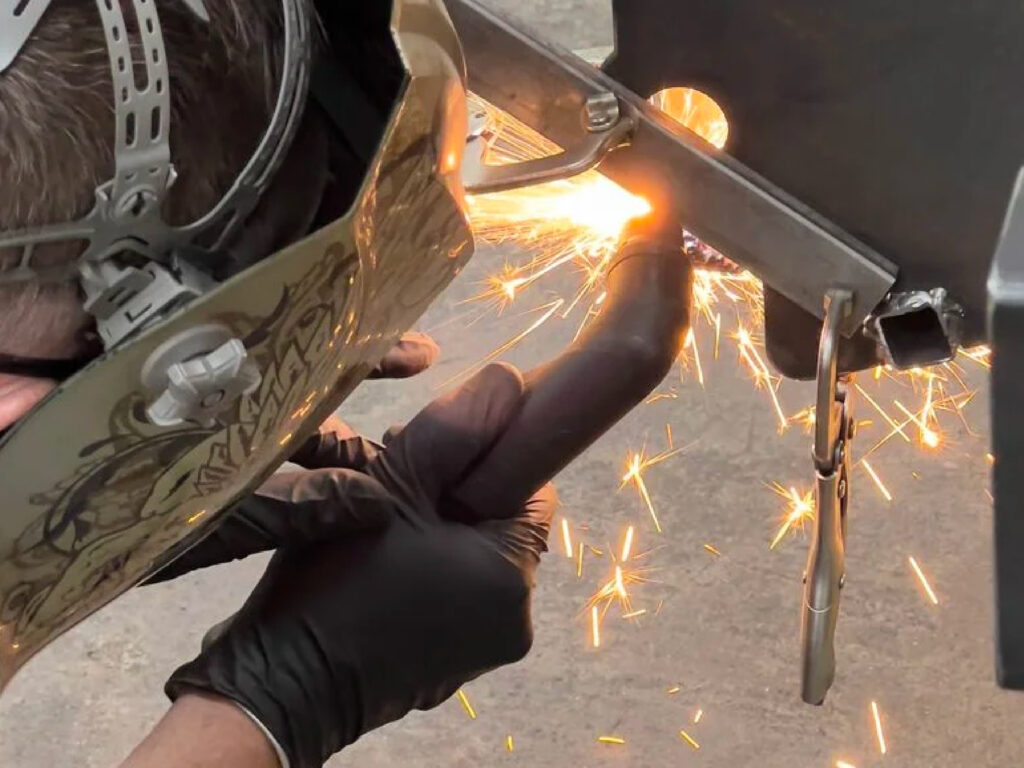
“When you need a custom metal component, bringing your idea to life involves more than simply cutting and welding pieces together. A successful fabrication project requires careful planning, the right materials, precise manufacturing, and quality finishing.
Whether you’re developing a prototype, replacing a specialized component, or preparing for production, understanding the metal fabrication process can help you make informed decisions.”
Custom metal fabrication allows businesses to create components designed around their specific needs rather than relying on standard, off-the-shelf products. From industrial equipment and machinery to specialized brackets, frames, and structural components, custom fabrication provides the flexibility to manufacture parts that meet unique project requirements.
For businesses throughout Georgia, working with an experienced fabrication team can make a meaningful difference in the accuracy, functionality, and overall success of a project. At IDFS LLC, we understand the importance of turning detailed concepts into practical, dependable metal solutions.
Step 1: Understanding Your Project and Design Requirements
Every successful fabrication project begins with a clear understanding of what needs to be built and how the finished component will be used.
During the initial planning stage, the fabrication team reviews the project’s specifications, intended application, and any existing drawings or measurements. This helps identify potential challenges before manufacturing begins.
Important considerations may include:
- Component dimensions: Determining the measurements and tolerances needed for a proper fit.
- Material requirements: Selecting metals suited to the component’s operating environment and intended use.
- Structural needs: Evaluating the strength, durability, and performance expected from the finished product.
- Production quantity: Establishing whether the project involves a single part, prototype, or larger production run.
- Project timeline: Coordinating manufacturing steps around scheduling and delivery requirements.
Taking time to clarify these details helps create a more efficient fabrication process and reduces the likelihood of costly adjustments later.
Step 2: Choosing the Right Metal for the Application
Material selection is an essential part of precision metal fabrication. Different metals offer different characteristics, and choosing the right option can influence everything from the component’s weight to its long-term performance.
Depending on the application, common fabrication materials may include:
- Carbon steel: Frequently used for industrial components, equipment frames, and applications requiring strength.
- Stainless steel: A practical option for projects requiring corrosion resistance and durability.
- Aluminum: Often selected for its lighter weight, corrosion resistance, and versatility.
- Specialty metals: Used when a project requires particular mechanical, environmental, or performance characteristics.
The ideal material depends on the part’s intended purpose, environmental exposure, manufacturing requirements, and budget.
Professional metal fabrication services can help businesses evaluate these factors before moving forward with production.
Step 3: Preparing the Design for Fabrication
Once the project’s requirements and materials are established, the next step is preparing the design for manufacturing.
Detailed drawings, measurements, and technical specifications help guide the fabrication process. For more complex projects, computer-aided design (CAD) files may be used to communicate dimensions, hole locations, assembly details, and other important features.
This stage is especially valuable when producing custom metal parts that must connect with existing equipment or fit within a limited space.
A thorough design review may help identify opportunities to:
- Simplify complex component shapes without sacrificing functionality.
- Improve accessibility for welding, fastening, or assembly.
- Reduce unnecessary material waste.
- Establish practical manufacturing tolerances.
- Improve consistency when producing multiple components.
Addressing these considerations before fabrication begins can help streamline production and support more predictable results.
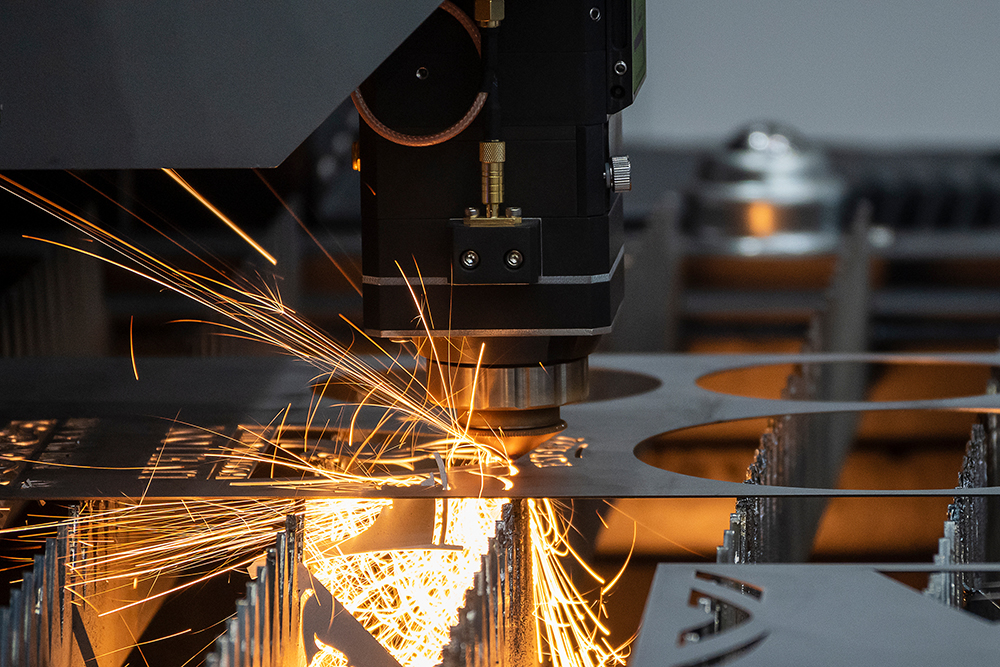
Step 4: Cutting, Forming, and Shaping the Metal
With the design finalized, fabrication moves into the manufacturing stage. This is where raw metal stock begins taking the shape of the finished component.
The specific methods used depend on the material, thickness, dimensions, and complexity of the project.
Common fabrication processes include:
- Metal cutting: Separating raw material into the required shapes and dimensions using appropriate cutting equipment.
- Bending and forming: Creating angles, curves, and other features needed for the component’s design.
- Drilling and machining: Producing holes, openings, and precision features for assembly or installation.
- Welding: Joining metal sections to create assemblies or more complex structures.
- Grinding and preparation: Refining edges, welds, and surfaces before finishing.
Each operation contributes to the final product’s accuracy and functionality. Careful measurements and proper manufacturing techniques are particularly important when components must fit together or operate alongside existing machinery.
Step 5: Assembly and Quality Checks
Creating individual metal pieces is only part of the process. Many fabrication projects require several components to be assembled into a complete product.
Depending on the design, assembly may involve welding, mechanical fasteners, brackets, or other joining methods.
During this stage, attention to alignment, dimensions, and overall fit helps ensure the completed assembly matches the intended specifications.
Quality checks may include:
- Verifying measurements against the approved design.
- Checking component alignment and assembly fit.
- Inspecting welds and connection points as appropriate.
- Reviewing surface conditions and identifying visible defects.
- Confirming that project-specific requirements have been addressed.
For businesses that depend on accurate replacement parts or specialized equipment components, these checks are an important part of achieving consistent results.
Step 6: Finishing and Preparing the Product for Use
The final stages of custom metal fabrication focus on preparing the completed component for its intended application.
Some projects require little more than cleaning and removing sharp edges, while others benefit from protective coatings or specialized surface treatments.
Depending on the metal and operating environment, finishing options may include:
- Deburring: Removing sharp edges and rough areas left behind during manufacturing.
- Surface preparation: Cleaning and preparing the metal for additional finishing.
- Painting or powder coating: Adding a protective finish and improving the component’s appearance.
- Corrosion protection: Applying suitable treatments when environmental exposure is a concern.
- Final inspection: Reviewing the finished component before packaging, delivery, or installation.
The appropriate finishing method depends on the project’s specifications. A component installed inside a controlled facility may have different requirements than one exposed to outdoor conditions.
Why Custom Fabrication Makes Sense for Specialized Projects
Standard manufactured products work well for many applications, but they cannot accommodate every equipment configuration, operating requirement, or design challenge.
Custom fabrication offers an alternative when businesses need something built for a particular purpose.
Some of the advantages include:
- Application-specific designs: Components can be manufactured around unique dimensions and functional requirements.
- Replacement solutions: Custom parts may help address situations where standard components are unavailable or unsuitable.
- Prototype development: Fabrication provides an opportunity to evaluate a design before committing to larger quantities.
- Equipment modifications: Specialized metal components can support machinery upgrades and operational changes.
- Production flexibility: Projects can be planned around specific quantities, materials, and manufacturing needs.
The value of custom fabrication comes from creating a solution that serves the actual application, rather than adapting the application to fit an existing product.
What to Look for in a Metal Fabrication Partner
Choosing the right fabrication partner involves more than finding someone who can cut and weld metal.
A dependable team should understand the importance of accurate specifications, clear communication, and practical manufacturing solutions.
When evaluating metal fabrication Georgia providers, consider asking about their experience with similar projects, available manufacturing capabilities, material options, and approach to quality control.
It is also helpful to discuss whether the fabricator can work from existing drawings, assist with design considerations, or accommodate future production needs.
Clear communication throughout the project helps everyone stay aligned on expectations, timelines, and the finished product.
Start Your Custom Metal Fabrication Project With IDFS LLC
From the first design conversation to the final inspection, successful metal fabrication depends on careful coordination at every stage.
Whether your business needs a specialized bracket, replacement component, equipment modification, or a completely new metal assembly, having the right fabrication partner can help move your project forward with confidence.
At IDFS LLC, we understand that every project comes with its own requirements. Our goal is to help customers explore practical fabrication solutions that support their equipment, operations, and manufacturing needs.
Looking for custom metal fabrication or metal fabrication services in Georgia? Contact IDFS LLC today to discuss your project, share your specifications, and learn more about the options available for bringing your custom metal parts from concept to finished product.