
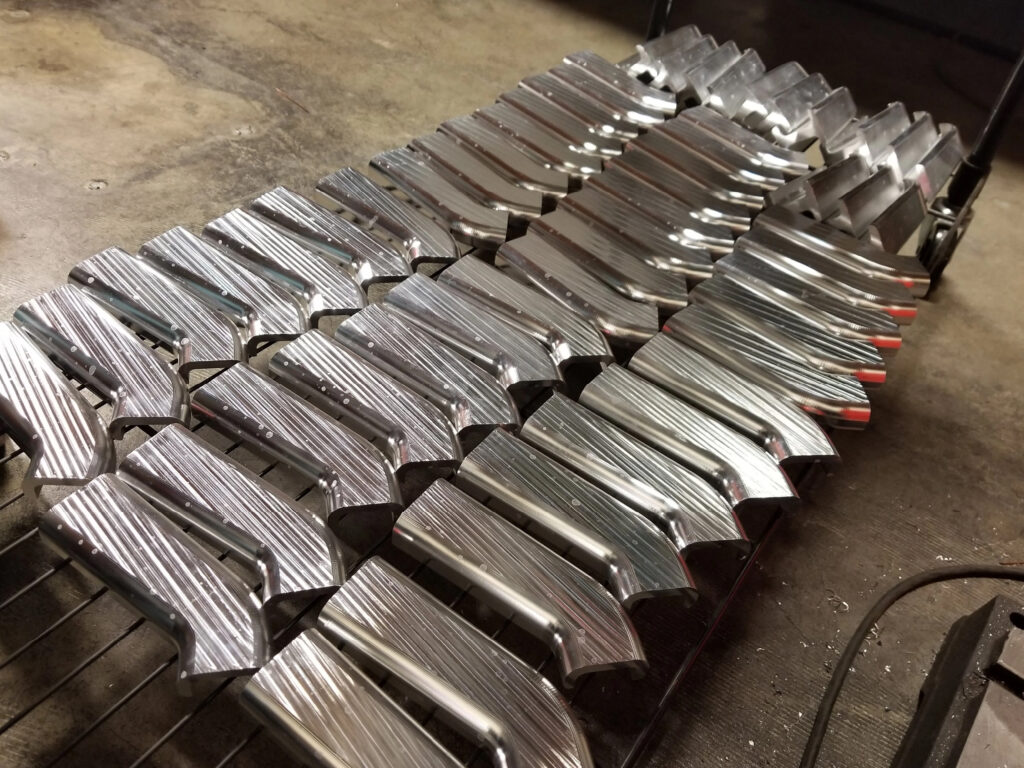
When you need to turn a digital design into a physical prototype or finished component, choosing the right manufacturing process can have a major impact on cost, lead time, durability, and overall performance. Two popular options are CNC Machining and 3D Printing. While both can produce accurate parts, they approach manufacturing in very different ways.
CNC Machining is a subtractive process that removes material from a solid workpiece to create the desired shape. 3D Printing, also known as additive manufacturing, builds a part layer by layer from a digital model. Each method has advantages depending on the material, geometry, quantity, and intended use of your part.
If you are deciding between CNC Machining and 3D Printing for a prototype or production component, understanding the differences can help you select the most practical solution for your project.
What Is CNC Machining?
CNC Machining uses computer-controlled equipment to precisely cut, shape, drill, mill, or turn a workpiece. Material is removed until the component reaches the dimensions and geometry specified by the digital design.
CNC machining is well suited for applications where precision, repeatability, strength, and material performance are important. Depending on the equipment and application, machined components can be produced from materials such as aluminum, steel, stainless steel, plastics, and other engineering materials.
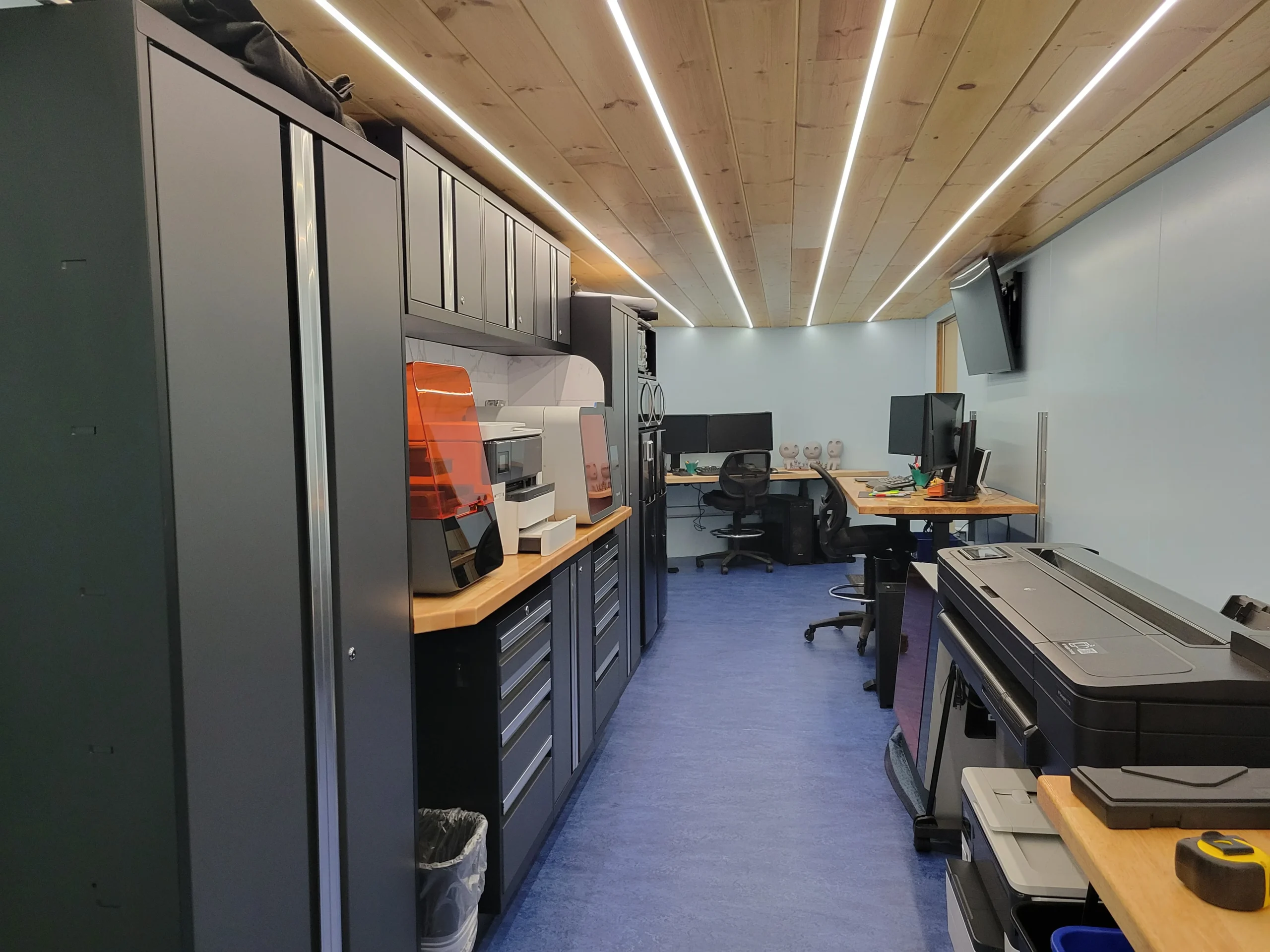
At IDFS, CNC capabilities include milling, surfacing, pocketing, contouring, threading, and custom shapes and profiles. The company also supports prototypes and short production runs with in-house machining capabilities.
What Is 3D Printing?
3D Printing creates a physical component by depositing or curing material layer by layer based on a digital 3D model. Instead of starting with a block of material and removing what is not needed, additive manufacturing builds the part from the ground up.
This approach provides considerable design flexibility, especially when a prototype includes complex shapes, intricate details, internal features, or geometries that would be difficult to manufacture using conventional machining.
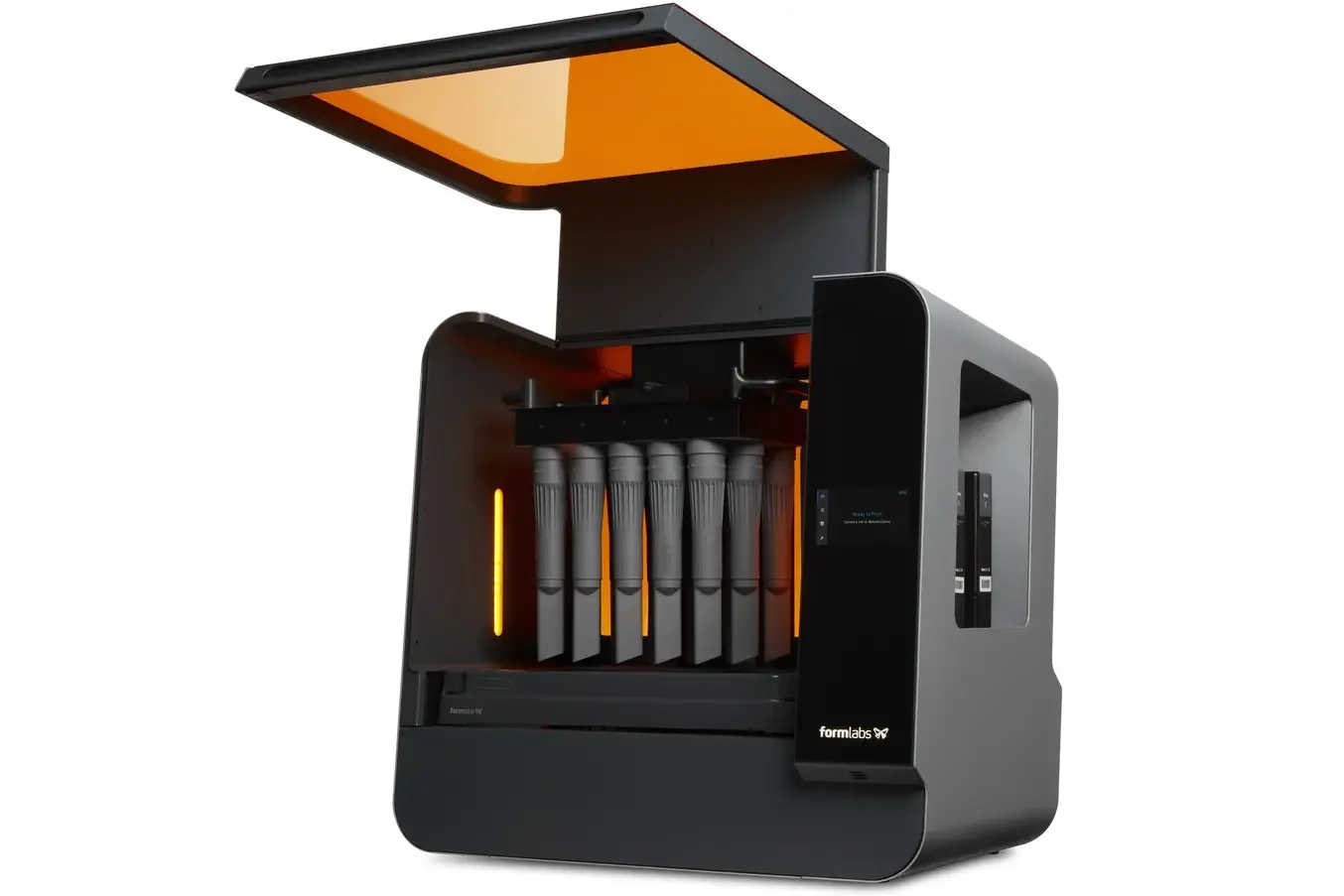
IDFS uses a Formlabs 3L industrial SLA printer for high-resolution prototypes, functional parts, tooling, and other production-quality applications. SLA printing can provide detailed features and smooth surface finishes while allowing engineers and designers to quickly evaluate physical designs.
CNC Machining vs 3D Printing: Key Differences
Although both processes can turn CAD designs into physical parts, they are best suited for different manufacturing requirements. The right choice depends on what you need the finished component to accomplish.
- Manufacturing method: CNC Machining removes material, while 3D Printing builds material layer by layer.
- Material options: CNC machining can work with a broad selection of metals and plastics, while 3D printing uses materials compatible with the selected printing technology.
- Geometry: 3D Printing is often advantageous for highly complex shapes, while CNC Machining is particularly effective for precise machined features and conventional geometries.
- Surface finish: CNC-machined components can provide excellent finished surfaces, while 3D-printed components may require post-processing depending on the desired appearance.
- Prototype development: 3D Printing can be especially useful for quickly creating and revising prototypes before committing to another manufacturing method.
- Functional performance: CNC Machining may be preferable when a part requires the mechanical characteristics of a particular metal or engineering plastic.
When CNC Machining Is the Better Choice
CNC Machining can be an excellent choice when the finished part needs high dimensional accuracy, strength, or a specific material. It is particularly useful for components that will experience mechanical loads, repeated use, or demanding operating conditions.
CNC machining may be the better option when your project requires:
- High dimensional accuracy and repeatability
- Metal components such as aluminum or steel parts
- Threaded holes and precision features
- Strong functional prototypes
- Replacement components or machine parts
- Short production runs
- Custom shapes and profiles
For example, a prototype bracket that needs to withstand vibration or mechanical stress may benefit from being CNC machined from an appropriate metal rather than printed from resin.
When 3D Printing Is the Better Choice
3D Printing can be particularly valuable during the early stages of product development. Designers can move from a CAD model to a physical prototype without committing to extensive tooling or machining setup.
3D Printing may be the right solution when your project involves:
- Rapid prototyping and design validation
- Complex geometries that are difficult to machine
- Detailed models with intricate features
- One-off or low-volume components
- Custom tooling, fixtures, or jigs
- Fast design iterations
- Reduced assembly requirements
For product development teams, the ability to quickly print a physical version of a design can make it easier to evaluate fit, form, appearance, and function before moving forward with a production process.
Which Process Is More Cost-Effective?
There is no universal answer because manufacturing cost depends on the part itself and the requirements of the project. Material, complexity, quantity, tolerances, finishing requirements, machine time, and post-processing can all affect the final price.
3D Printing can be cost-effective for prototypes and smaller quantities because the process does not require traditional tooling. It can also reduce material waste by building only the material required for the part.
CNC Machining can provide better value when the part requires a particular material, tight tolerances, excellent surface quality, or mechanical performance that a printed component cannot provide.
Instead of choosing a process based solely on the initial price, consider the total cost of development and production. A fast printed prototype can help identify design problems before investing in a machined component or larger production run.
CNC Machining or 3D Printing for Prototypes?
For prototypes, the best process depends on what you need to learn from the physical part.
If the goal is to evaluate shape, fit, appearance, or basic functionality, 3D Printing can provide a fast way to produce and revise the design. Multiple iterations can be created as the design evolves.
If the prototype needs to replicate the strength, material characteristics, dimensional accuracy, or performance of the eventual component, CNC Machining may be more appropriate.
In some cases, using both technologies during product development can provide the best results. A team might 3D print an early concept, refine the design, and then CNC machine a final prototype for more demanding functional testing.
Can You Use Both Manufacturing Methods?
Absolutely. CNC Machining and 3D Printing do not necessarily have to compete with one another. They can be complementary technologies within the same product development process.
A typical workflow could begin with a CAD model and a quickly printed prototype. After evaluating the design, engineers can make adjustments before producing a CNC-machined version from the intended production material.
This approach can help companies reduce development risk, identify design issues earlier, and move more efficiently from concept to production.
How to Choose the Right Process for Your Project
When deciding between CNC Machining and 3D Printing, consider the complete set of requirements rather than focusing on just one factor.
- What material does the finished part require?
- How precise does the component need to be?
- Will the part experience mechanical stress or repeated use?
- How complex is the geometry?
- How many parts do you need?
- How quickly do you need the prototype or part?
- Does the part require post-processing or a particular surface finish?
- Will the prototype eventually transition into production?
Reviewing these factors early can help you select a manufacturing method that fits both your technical requirements and your project goals.
Get the Right Manufacturing Solution for Your Project
Choosing between CNC Machining and 3D Printing does not have to be complicated. The right process depends on your part’s material, geometry, tolerances, quantity, intended use, and development stage.
At IDFS, we combine precision CNC machining, industrial 3D printing, CAD design, engineering, and fabrication to help turn concepts into functional parts and production-ready solutions. Whether you need a rapid prototype, a precision-machined component, or support transitioning from prototype to production, our team can help determine the most effective approach.
Have a prototype or part in development? Contact IDFS to discuss your project requirements, send your CAD files or drawings, and get a manufacturing solution tailored to your application.
Ready to get started? Contact IDFS today for a quote and let our team help you determine whether CNC Machining, 3D Printing, or a combination of both is right for your project.